NetMob 2026
Last week, I had a wonderful experience at NetMob 2026, the leading conference for researchers using mobile phone data to investigate all sorts of questions related to human mobility. Lots of interesting presentations and quality time to catch up with old friends and make new ones!
In my keynote presentation, I built on some of our recent publications to argue that human mobility and accessibility data capture different but complementary aspects of reality, and that we need both perspectives to get a fuller picture of policy impacts.
I started with a quick recap of the concept of accessibility and why it plays a key role in promoting just and inclusive cities. See here and here.
For the sake of fun, I included a few slides on the history of science (a perk of giving one of the conference’s keynotes!). This part was based on a recent paper where we show how two core ideas and models in human mobility research, namely spatial interaction and accessibility models, share the same historical roots. I like to think of them as cousin or sister ideas.
The keynote continued with a summary of three case studies that I believe nicely illustrate how mobility and accessibility data tell complementary stories about the impacts of policy decisions.
- Fare-free transit and electoral participation
- Space-time accessibility and participation in leisure activities
- The effects of transit fare discounts on travel behavior
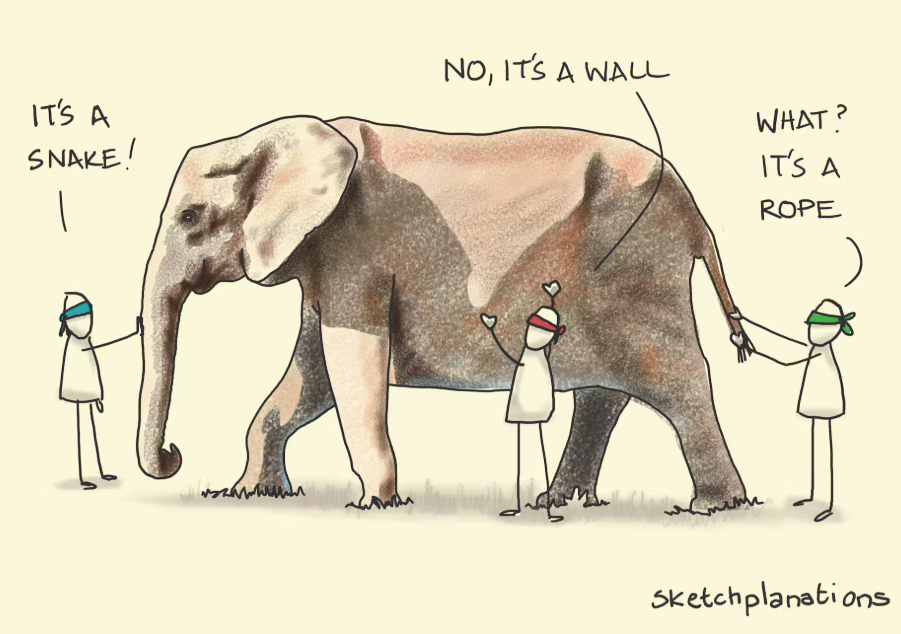
Taken together, these papers show why we need both accessibility and mobility data to assess policy decisions. Because accessibility shapes travel behavior, it influences how changes in transport costs and land use translate into changes in mobility patterns. Meanwhile, mobility data reveal actual travel patterns, reflecting people’s participation in out-of-home activities, their exposure to environmental externalities, and aspects of their well-being. Neither mobility nor accessibility data alone tell the whole story. It is the combination of these different types of data that allows for a more comprehensive assessment.
I ended my keynote with some reflections on future research avenues. I believe we need more research bringing together mobility and accessibility data, both to develop more behaviorally realistic accessibility measures and to better understand under what conditions, and why, mobility and accessibility levels diverge. I would also like to see more research applying causal inference methods to urban and transport planning and spatial analysis, so we can better understand the causal impacts of accessibility on mobility patterns and, ultimately, on socioeconomic outcomes and social exclusion.