Winds of change in Brazil urban mobility policy
Last week, I took part in another meeting of the National Consultative Forum on Urban Mobility (Fórum Consultivo de Mobilidade Urbana), representing the Institute for Applied Economic Research (Ipea). The National Secretariat for Urban Mobility (Semob) at the Ministry of Cities presented a preview of Brazil’s first National Urban Mobility Plan, which is expected to be published next year following a long process of drafting and public consultations.
What stood out to me is that the plan reflects a profound shift in perspective on urban mobility in Brazil. The focus of national policy is shifting from the movement of people and vehicles toward improving people’s access to opportunities, with equity and sustainability at its core.
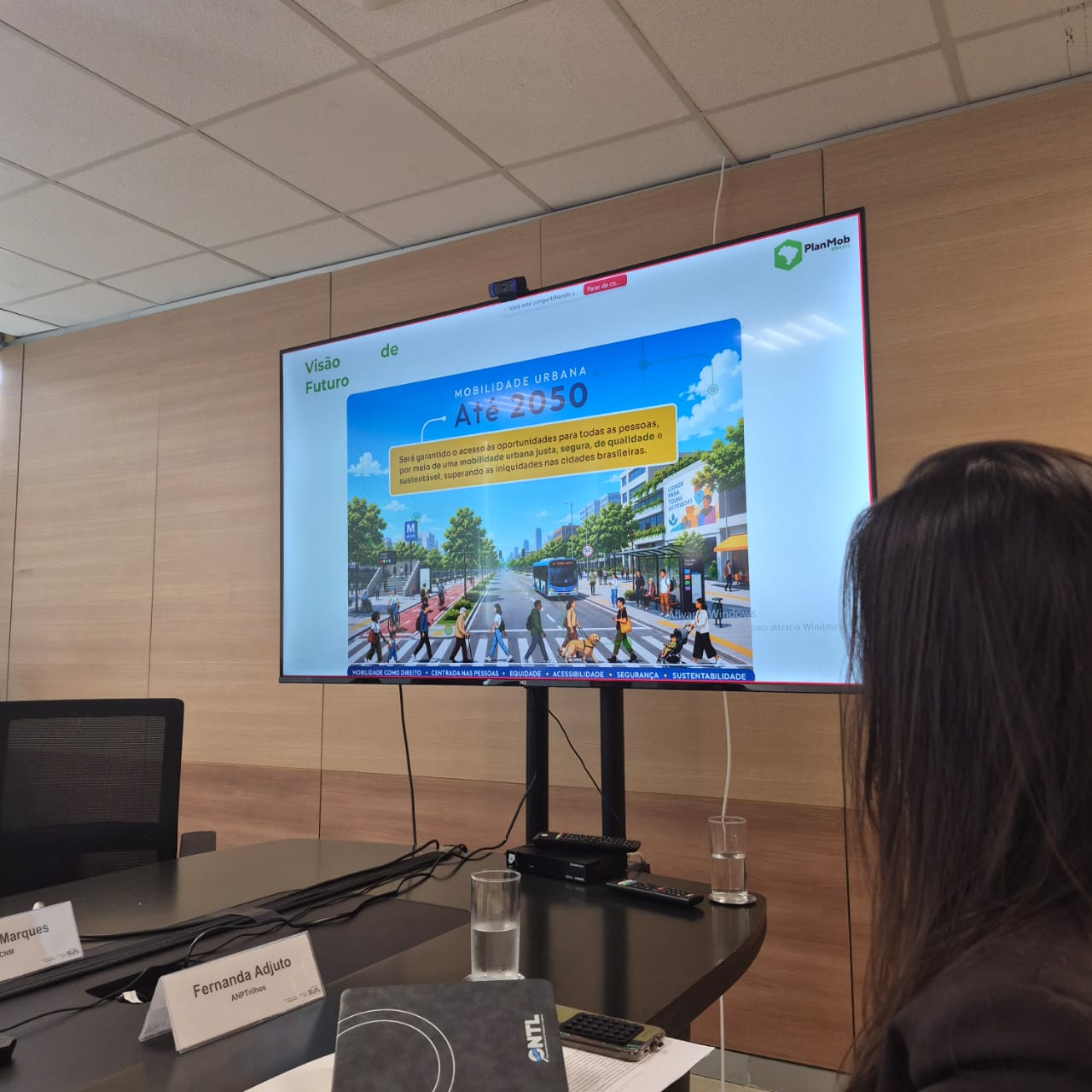 | 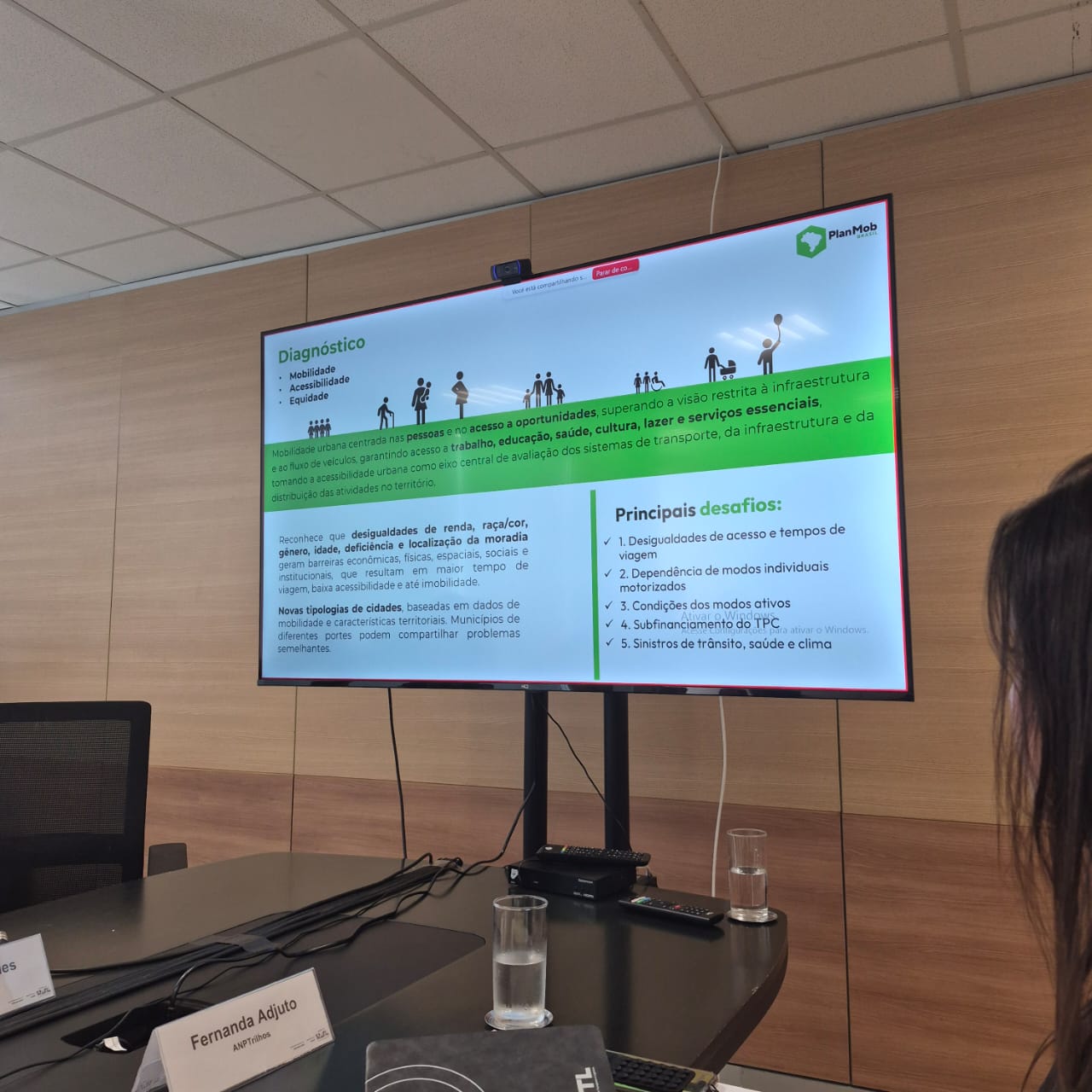 |
This might seem like a small thing, but it is a huge change in the way we think about transport and urban mobility policies in Brazil. Just look at the official documents of the Ministry of Cities from the 2000s and 2010s. The focus was almost always on reducing congestion and commuting times. This shift toward improving access to opportunities and promoting equity puts people at the center of planning and opens up space for a more integrated view of transport, land use, housing, and other policies such as education and healthcare. This perspective is already widely shared among researchers and experts internationally and has gradually been gaining ground in countries and cities around the world.
I am very happy to see this wave finally reaching Brazilian national policy! I like to think that the work we have been doing at Ipea’s Access to Opportunities Lab has made a tiny contribution to this, adding to the efforts of so many other co-authors and colleagues at UFC, USP, the National Front of Mayors (Frente Nacional de Prefeitas e Prefeitos), ITDP Brasil, WRI Brasil, and many others.
Congratulations to the Semob team at the Ministry of Cities on this step forward. Now the challenge is to keep working to turn these winds of change into concrete action, both in the federal government’s own policies and in municipal plans and policies across Brazil.